Snakes
8 live · 1 coming soonEnclosure sizing, temperature gradients, humidity management, feeding schedules, shed cycles, and breeding season prep — hatchling through adult.
Setup, feeding, and handling for one of the most beginner-friendly colubrids — ideal for keepers transitioning into colubrid keeping or breeding.
One of the widest-ranging snakes in the Americas. A hardy, beginner-friendly colubrid — temperature gradients, appropriate prey sizing, and shed support.
Colombian, Hog Island, Argentine locality variants — space requirements, large prey, gestation, and litter care.
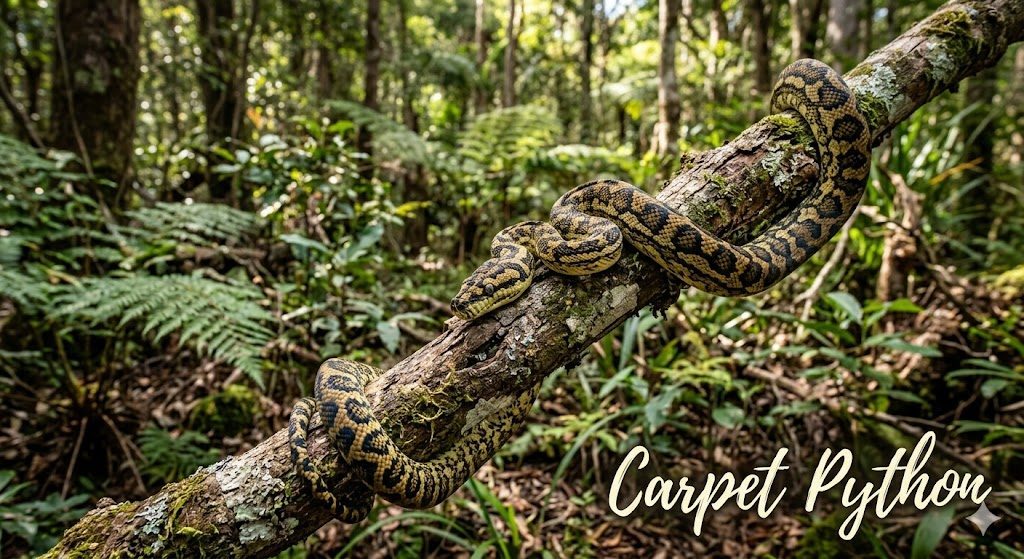
Carpet pythons make up a complex of subspecies spread across Australia, New Guinea, the Bismarck Archipelago, and the northern Solomon Islands, and few pythons occupy as much ecological ground.
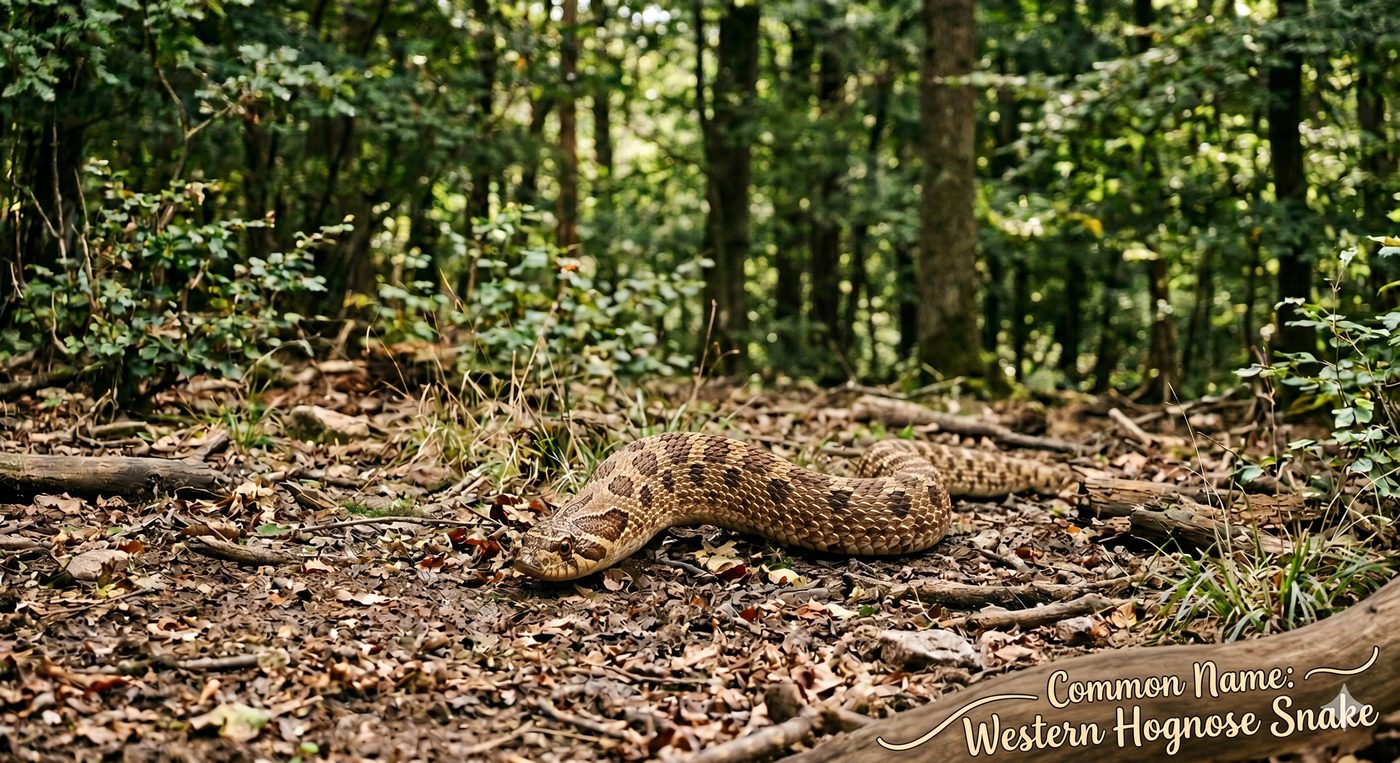
The Western hognose is a small, stout terrestrial colubrid native to the dry grasslands, prairies, and sandy floodplains of central North America.
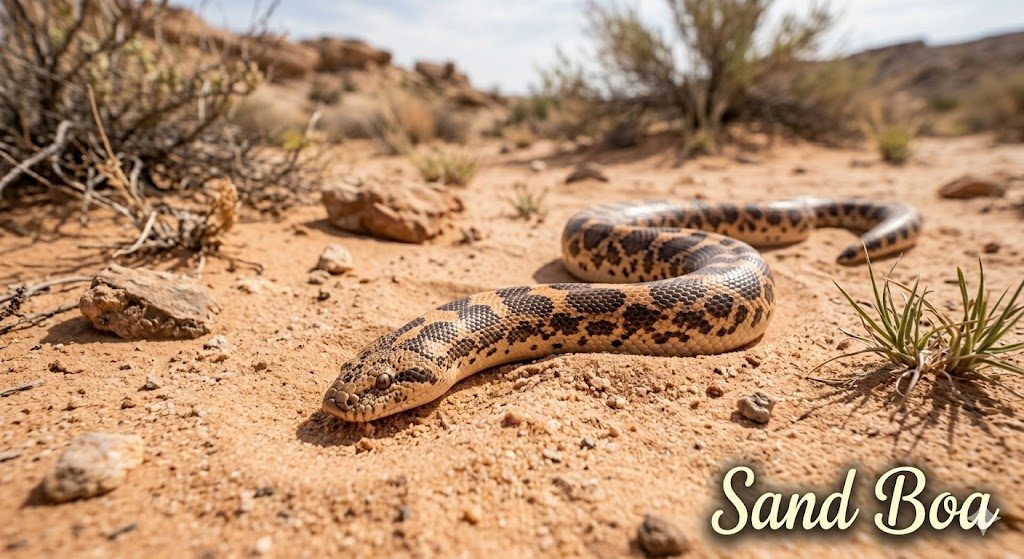
The Kenyan sand boa is a small, heavy-bodied fossorial snake native to the dry margins of northeastern Africa, where it occupies scrublands, semi-deserts, vegetated sand dunes, and sandy plains from sea level up to…
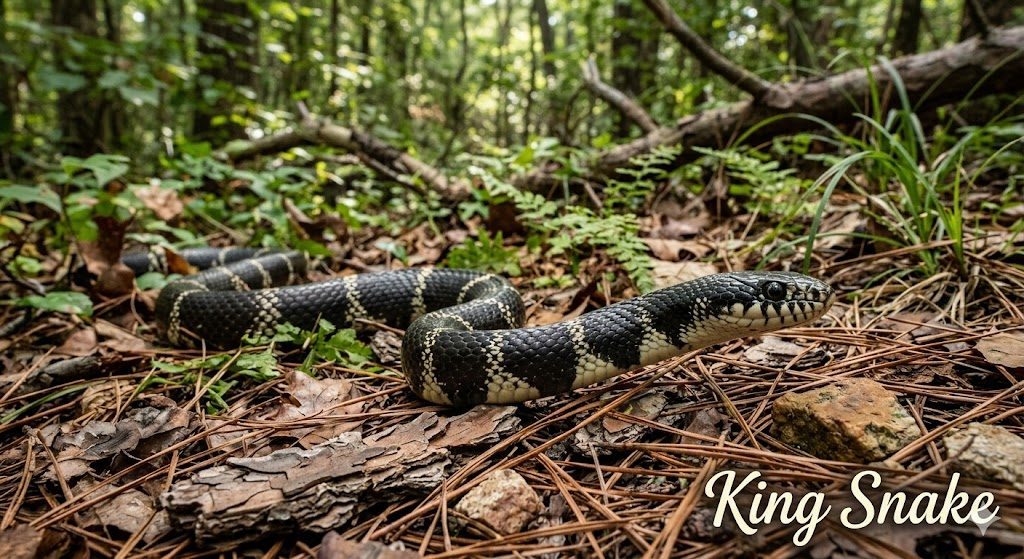
The California kingsnake ranges across a remarkable stretch of the American West, from the Pacific coast of Oregon and California down through Nevada, Utah, Arizona, and into northwestern Mexico, with isolated…
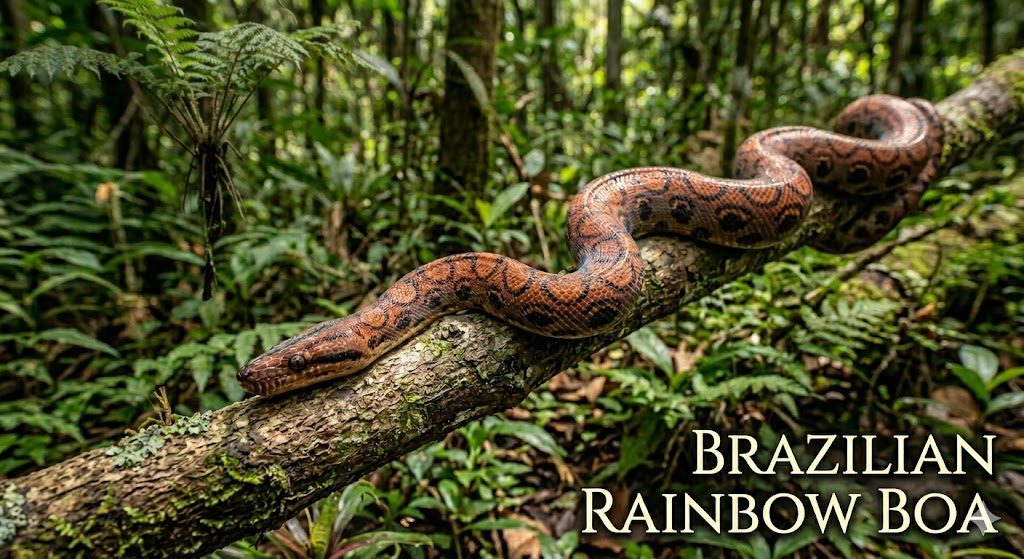
The Brazilian rainbow boa is native to the Amazon basin, ranging across Brazil and into the Guianas, Bolivia, Peru, Colombia, Ecuador, and Venezuela.
Tarantulas
22 live · 1 coming soon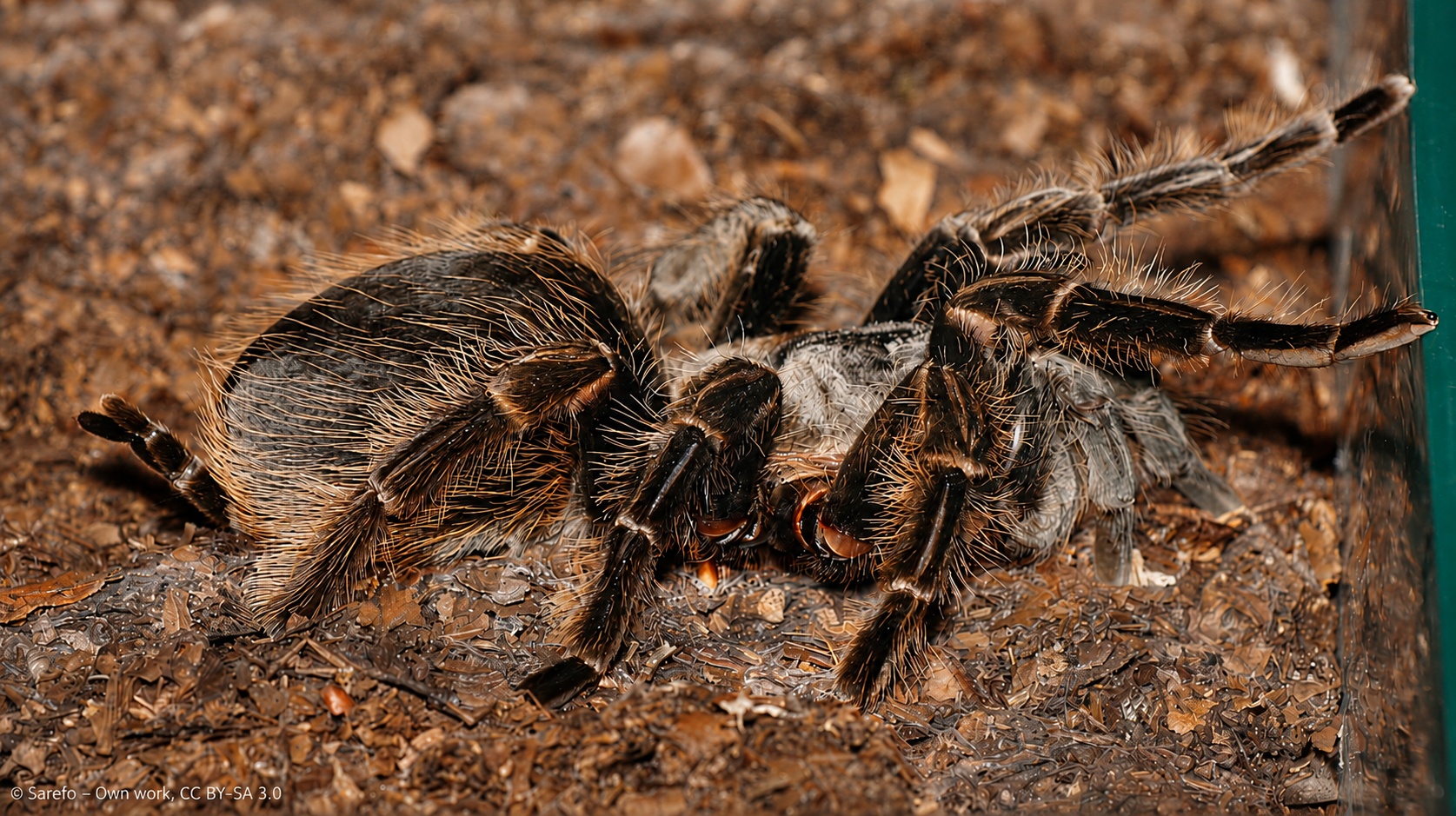
One of the best beginner tarantulas in the hobby. A hardy, docile Central American species with a woolly coat of curled bronze bristles — deep substrate, moderate humidity, and an easygoing temperament.
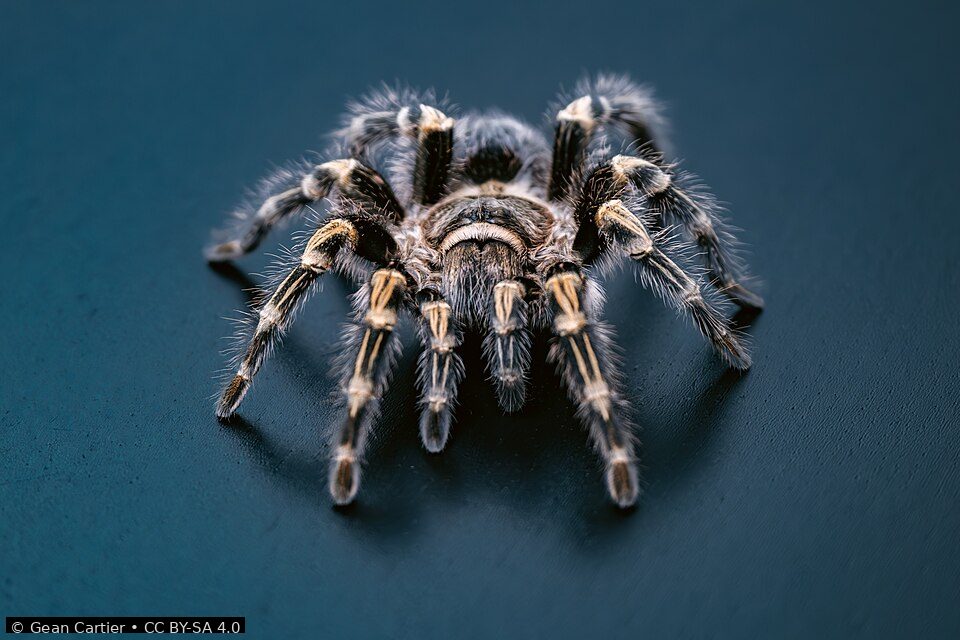
A large, gentle giant from the grasslands of Argentina and Paraguay. Dark-bodied with golden leg striping — one of the most rewarding and forgiving big terrestrials for a first large tarantula.
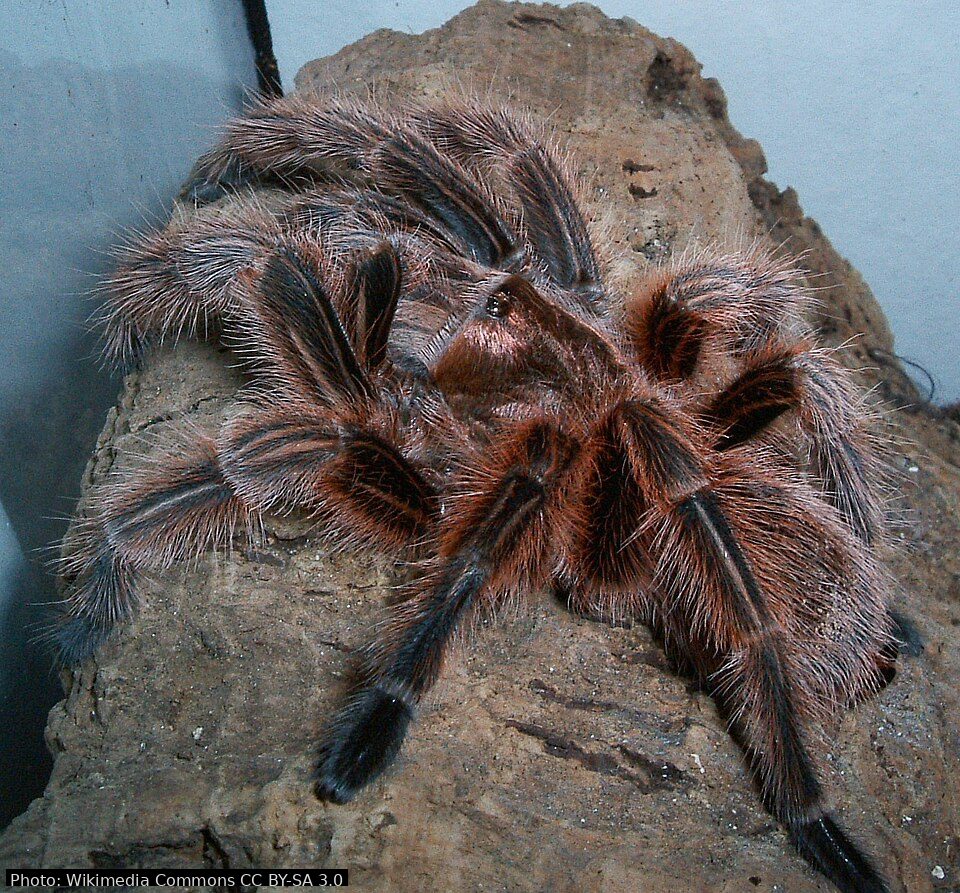
The classic first tarantula. A hardy, long-lived desert species from Chile with a rose-tinted sheen — dry care, a simple water dish, and a famous tolerance for beginner mistakes (and long fasts).
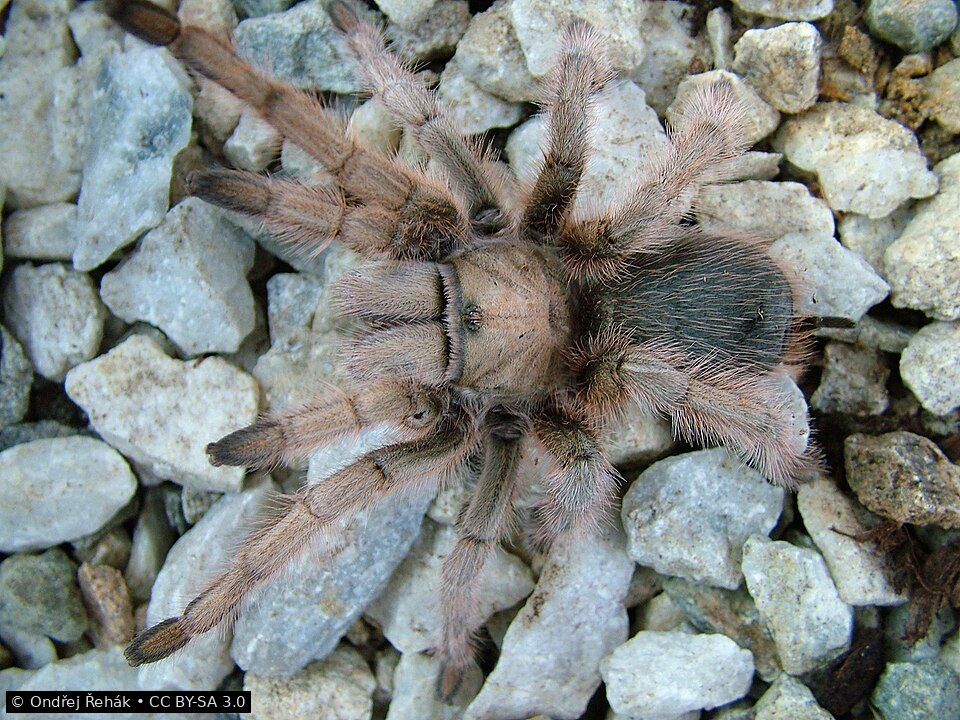
A slow, supremely long-lived desert species from the Sonoran Desert. Soft blonde colouration, dry husbandry, and one of the calmest temperaments in the hobby — patience rewarded over decades.
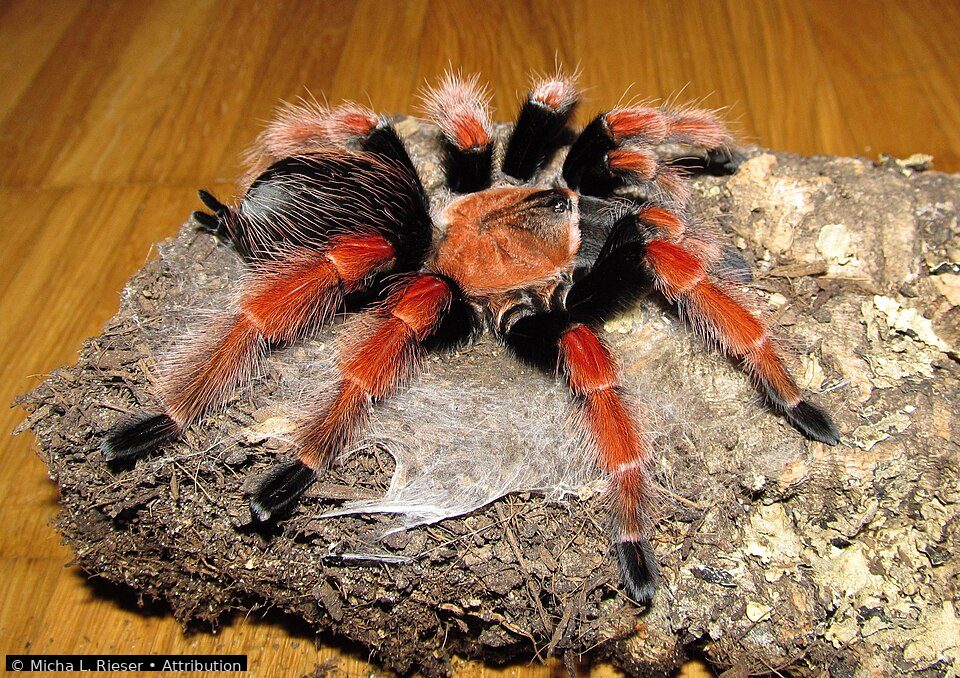
One of the most striking New World terrestrials — flame-orange legs against a dark body. Hardy and dry-kept, but an enthusiastic kicker of notably irritating urticating hairs.
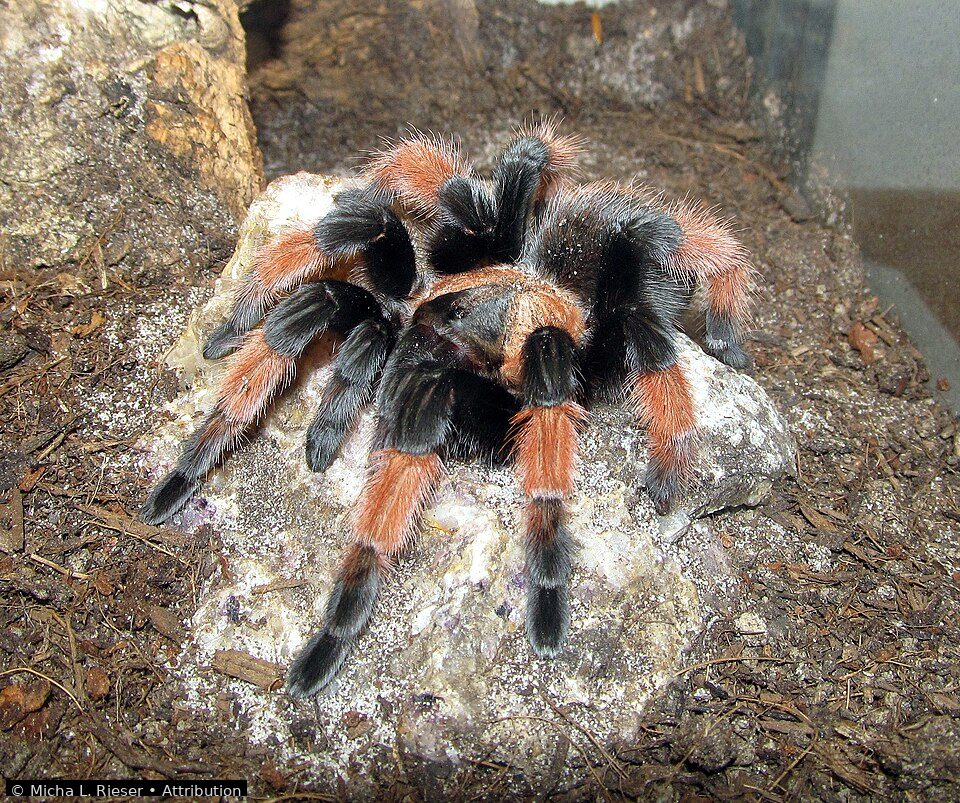
An underrated Mexican classic — red-orange legs, a salmon carapace, and a black triangle between the eyes. Long-lived, docile, and easy: a superb beginner display species.
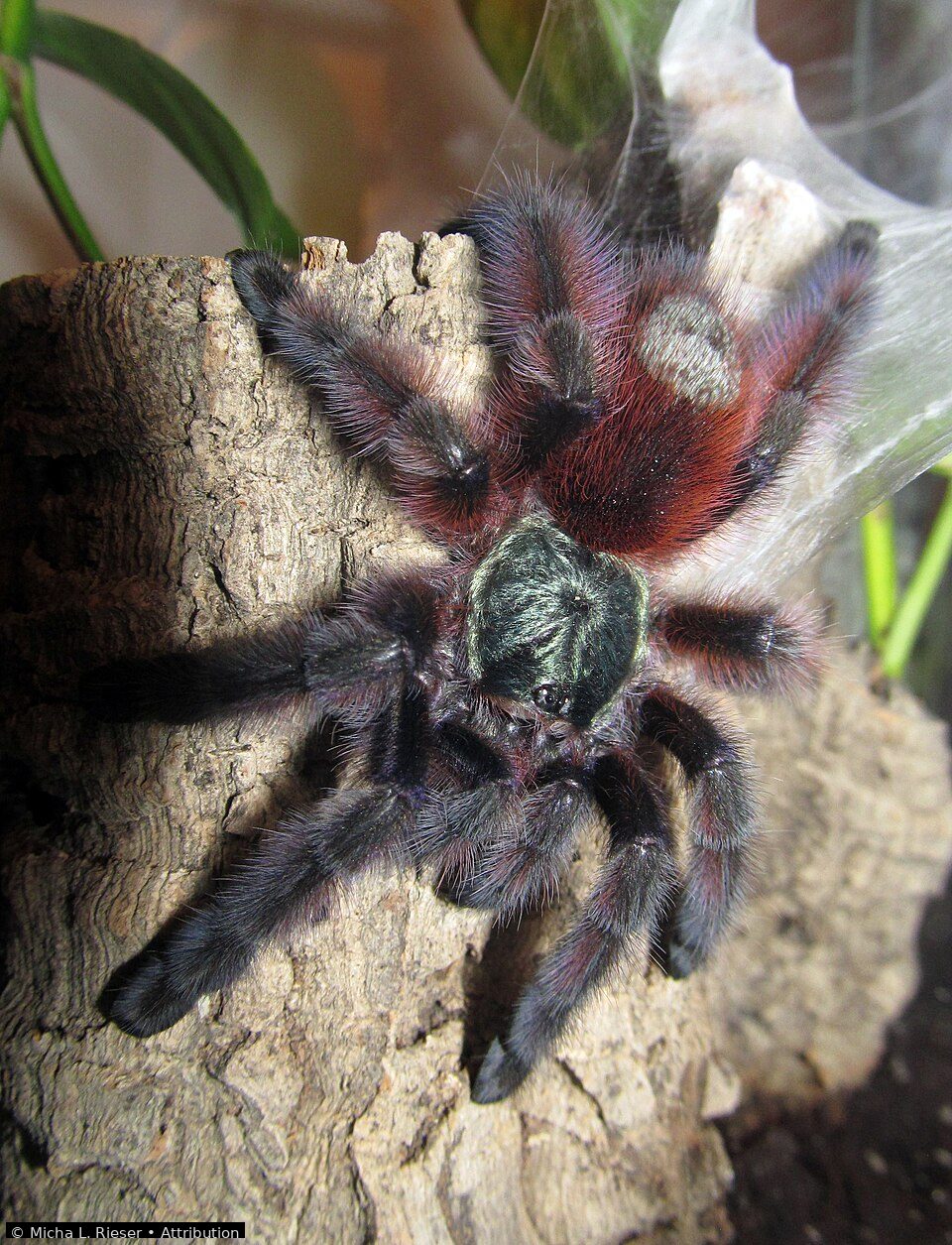
One of the most beautiful tarantulas in the world — electric-blue slings maturing to green and red. The classic first arboreal, demanding only that you balance high humidity with strong airflow.
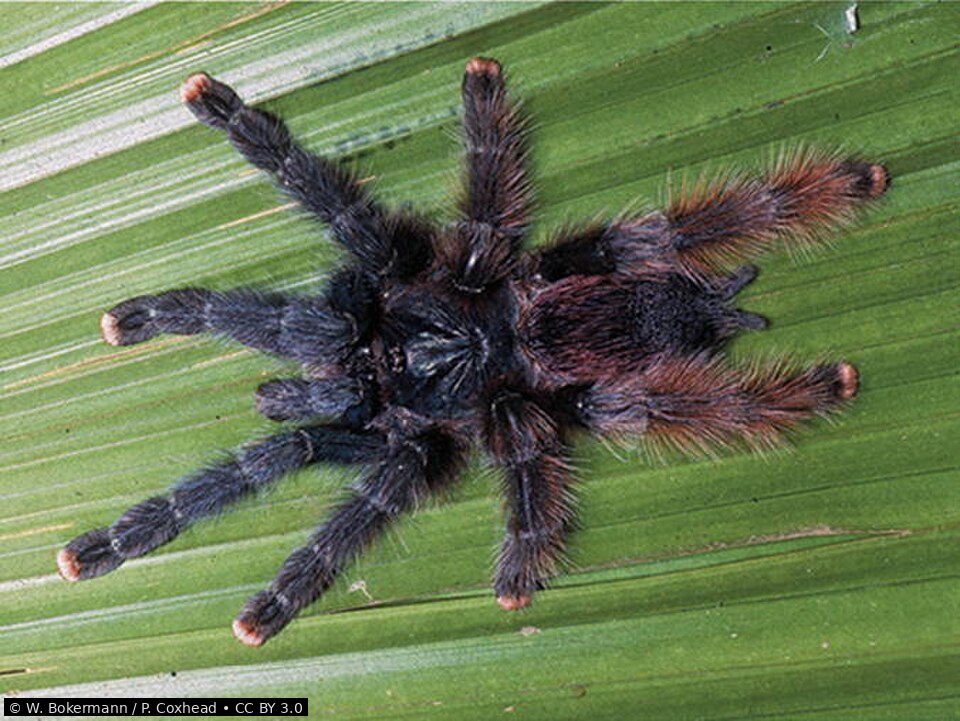
The gateway arboreal — a velvety, pink-toed canopy dweller from northern South America. Calmer and far more forgiving than its island cousins, ideal for a first tree spider.
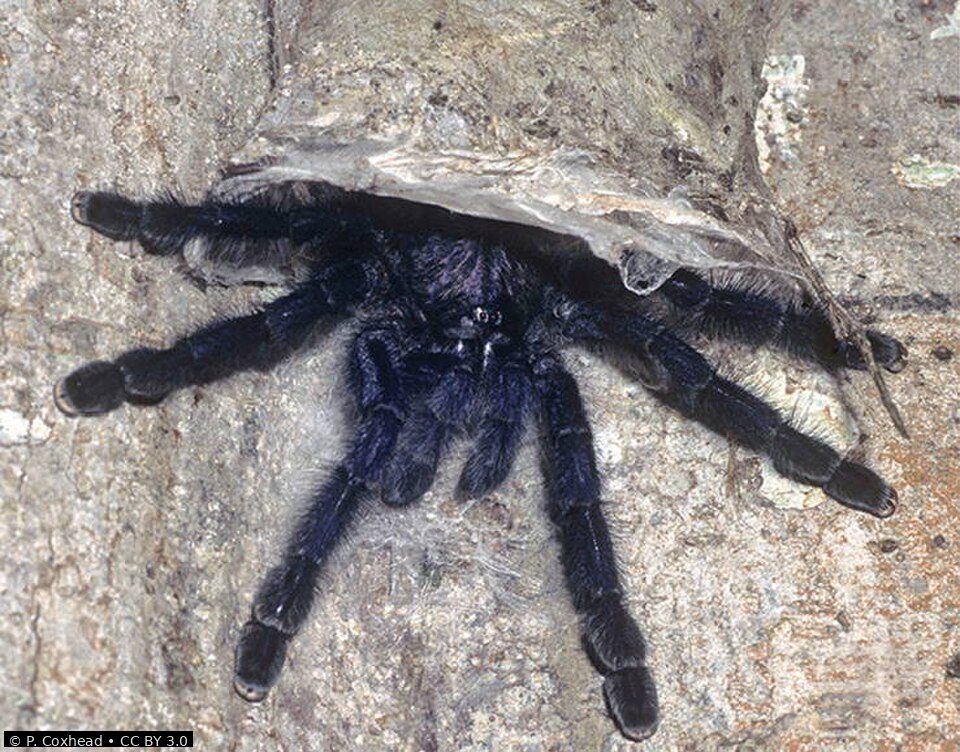
An Ecuadorian arboreal that throws a deep purple metallic sheen under light. Same airy, humid-but-ventilated pinktoe care, with one of the most beautiful colours in the genus.
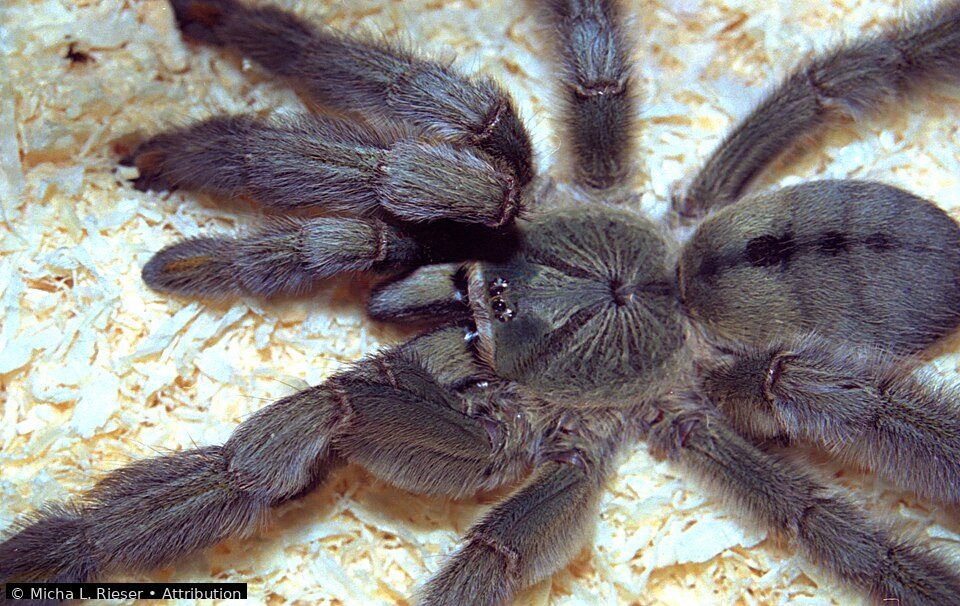
A fast, hardy arboreal with orange leg flashes and abdominal chevrons. No urticating hairs and a stronger bite — a rewarding step up for keepers ready to respect its speed.
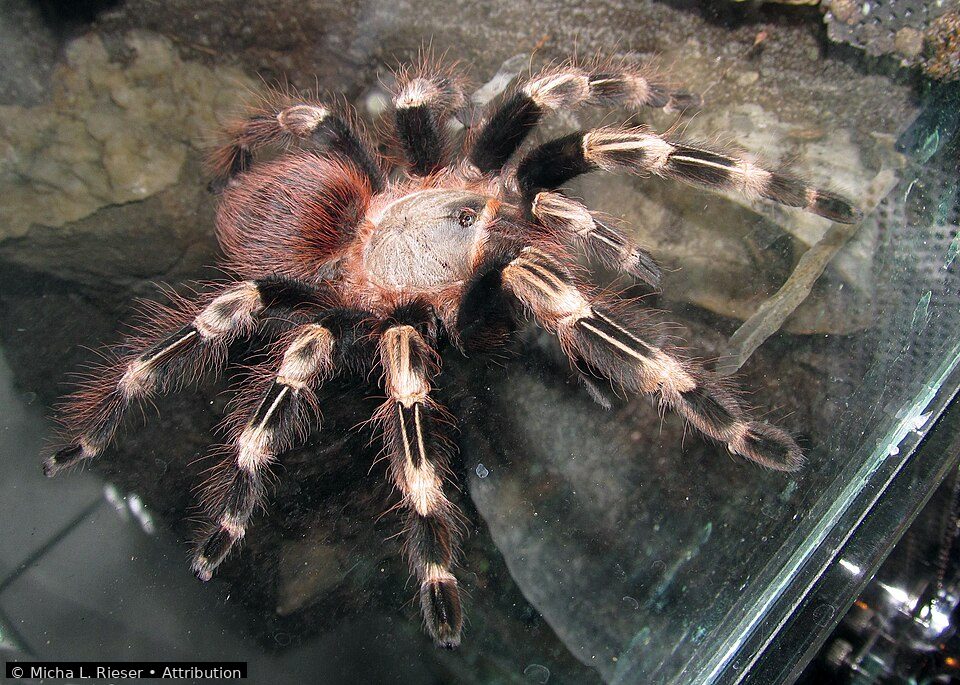
A bold, fast-growing display species — jet-black legs banded in white with a red-haired abdomen. Hardy and dramatic, but feisty and quick to kick hairs.
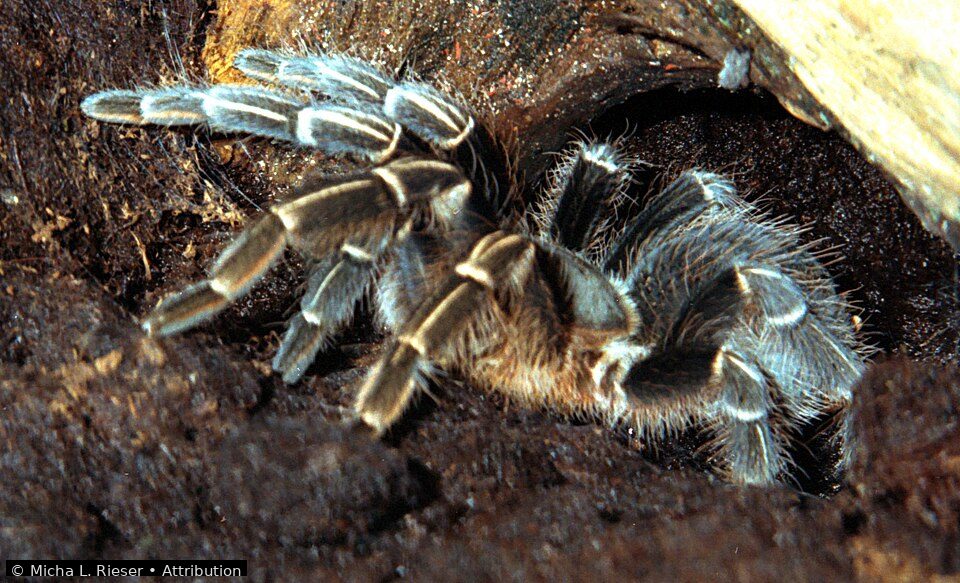
A hardy Central American burrower with crisp white zebra striping. Spends long spells underground — a fascinating, low-fuss species for keepers happy to let it set its own schedule.
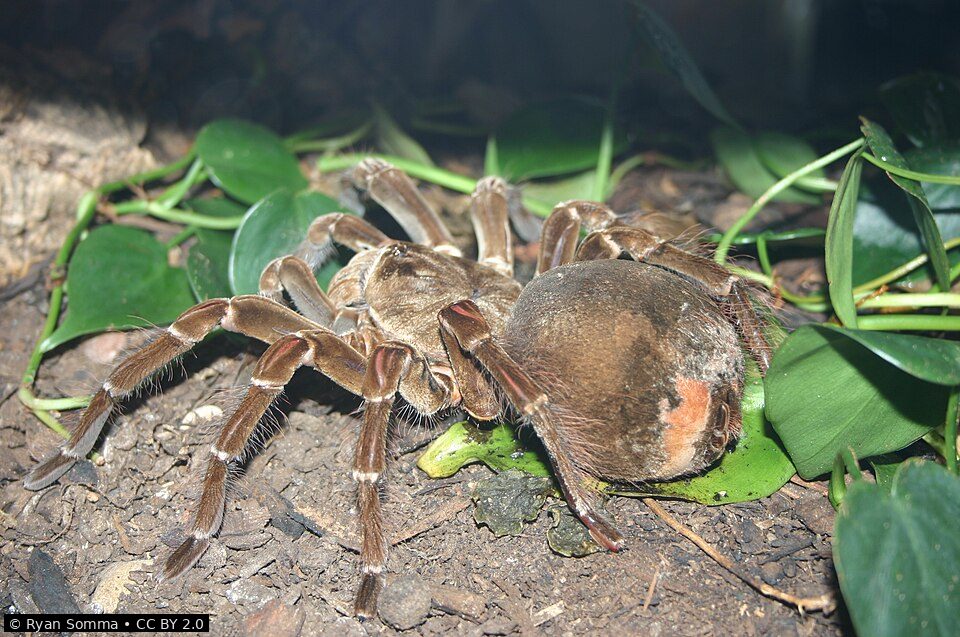
The largest tarantula on Earth by mass. A humidity-demanding rainforest giant with potent urticating hairs — a magnificent display animal strictly for advanced keepers.
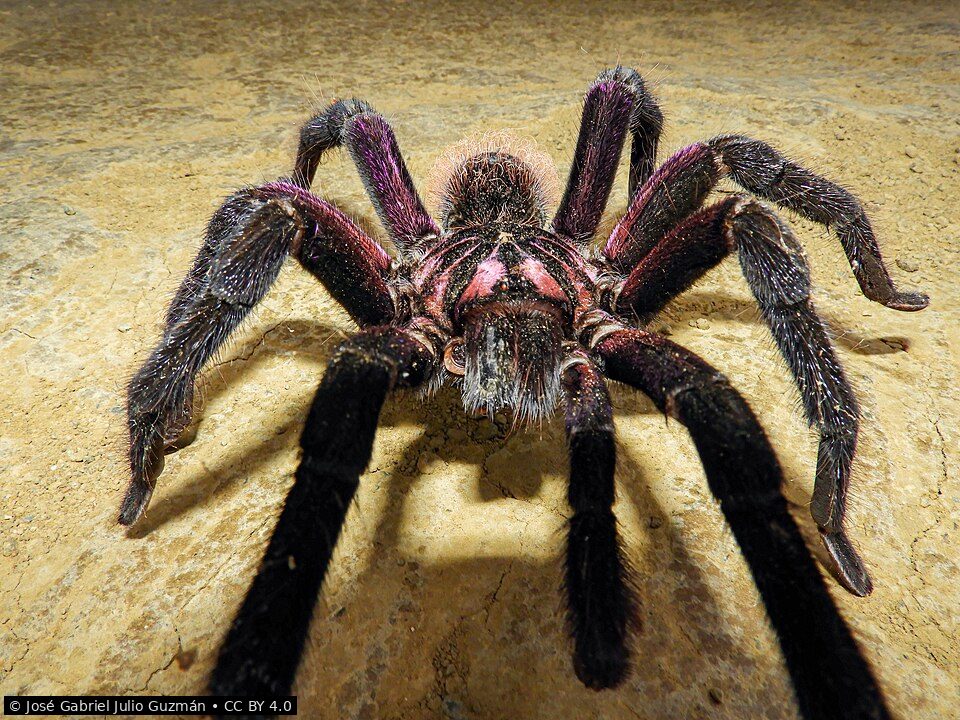
A large, prized display species with a pale carapace starburst and deep purple iridescence. Humidity-loving and high-energy — best for keepers with some experience.
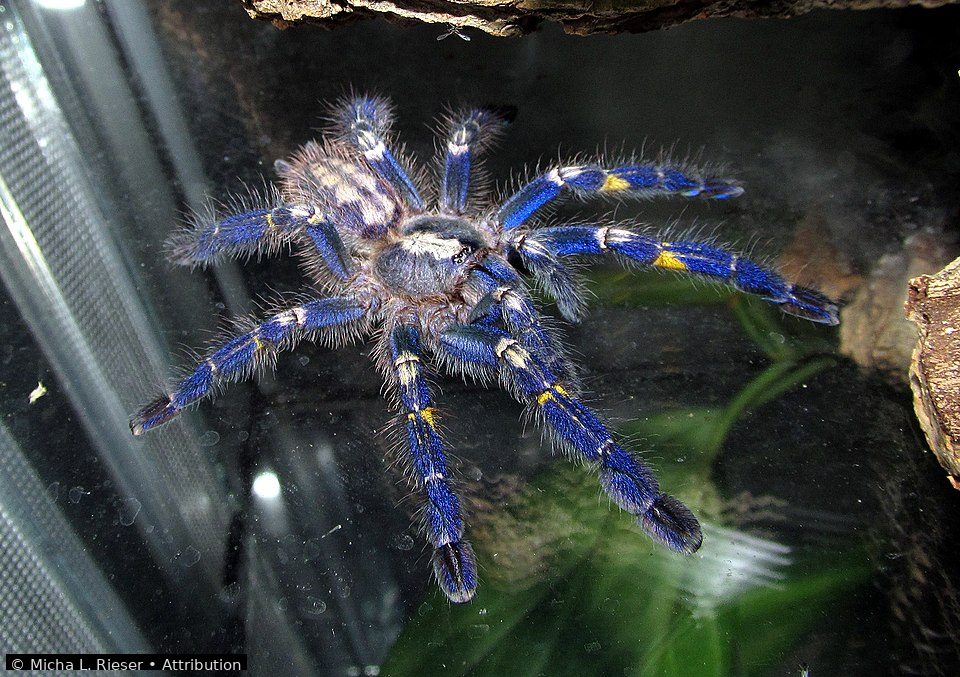
Arguably the most beautiful tarantula in the world — brilliant metallic blue with a cream fractal pattern. Critically endangered, blisteringly fast, and venomous: an advanced Old World species.
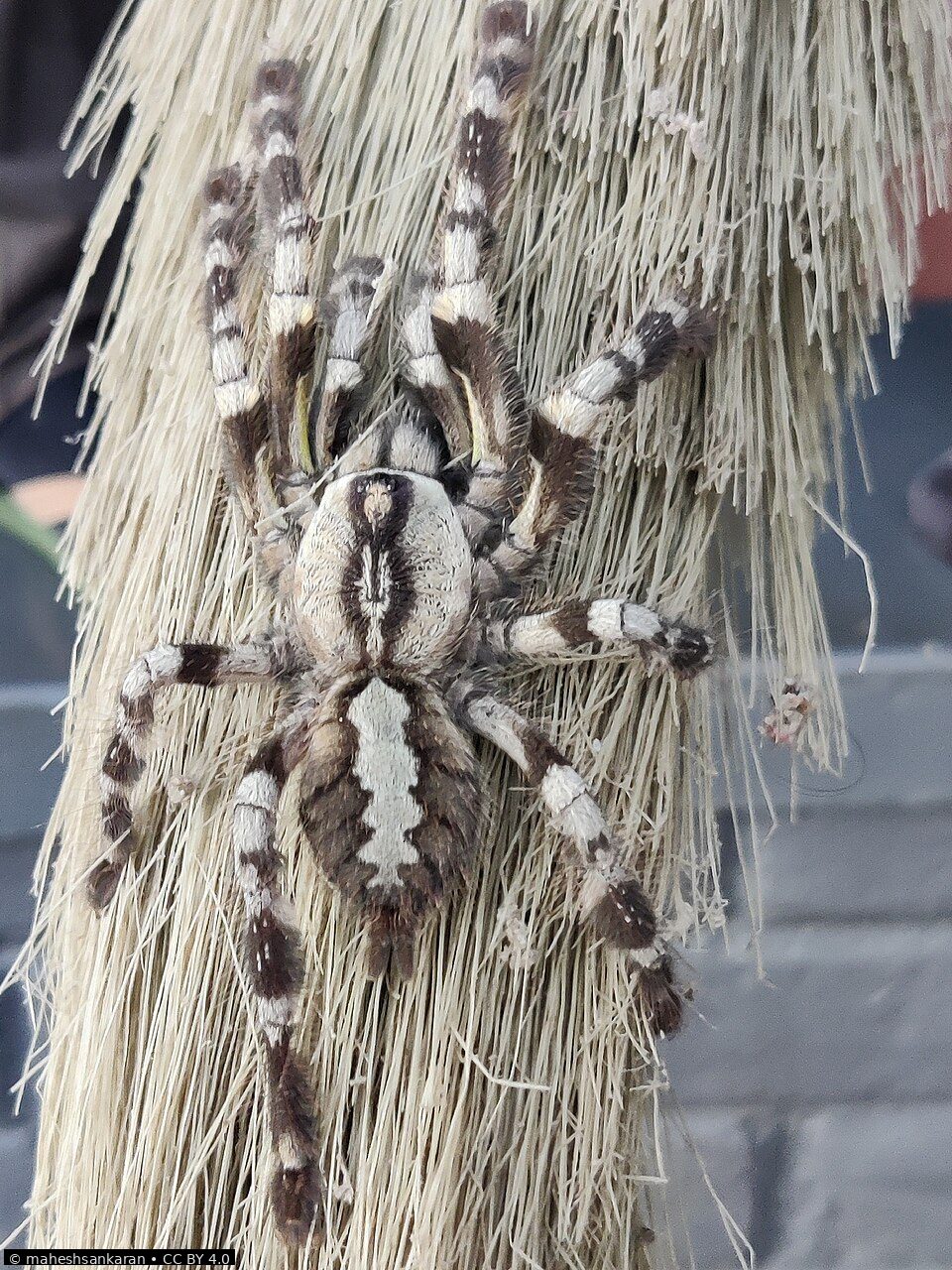
An ornately patterned arboreal "pokie" with flashing yellow leg banding. Among the calmer ornamentals, yet still extremely fast with medically significant venom — advanced keepers only.
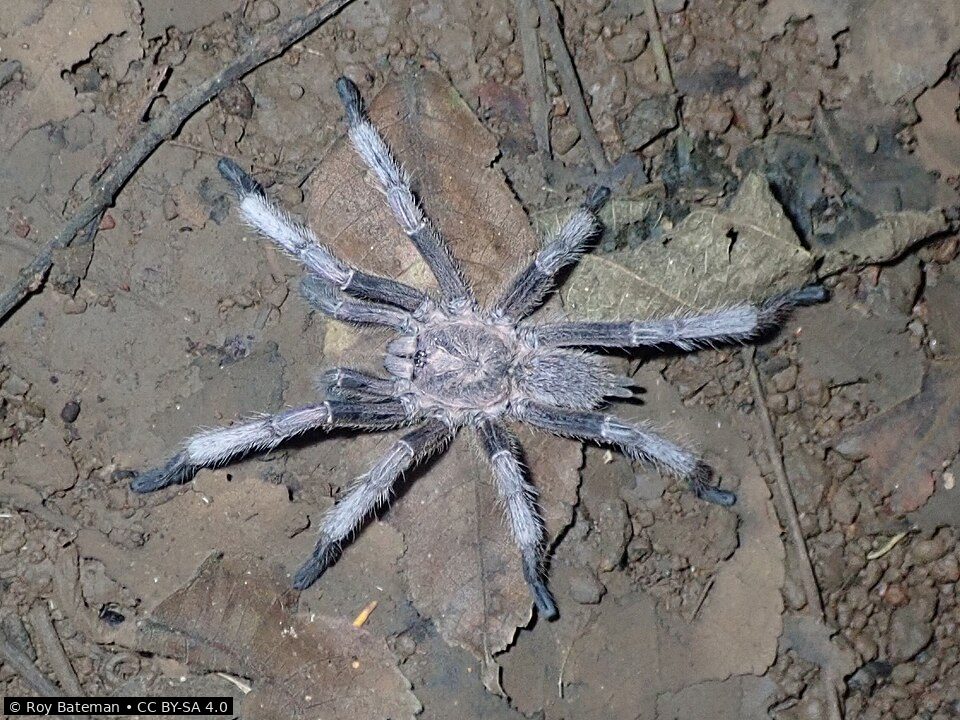
A secretive Old World fossorial that webs and burrows obsessively, flashing a dark metallic-blue sheen when fresh. Fast, defensive, and potent — an advanced keeper's spider.
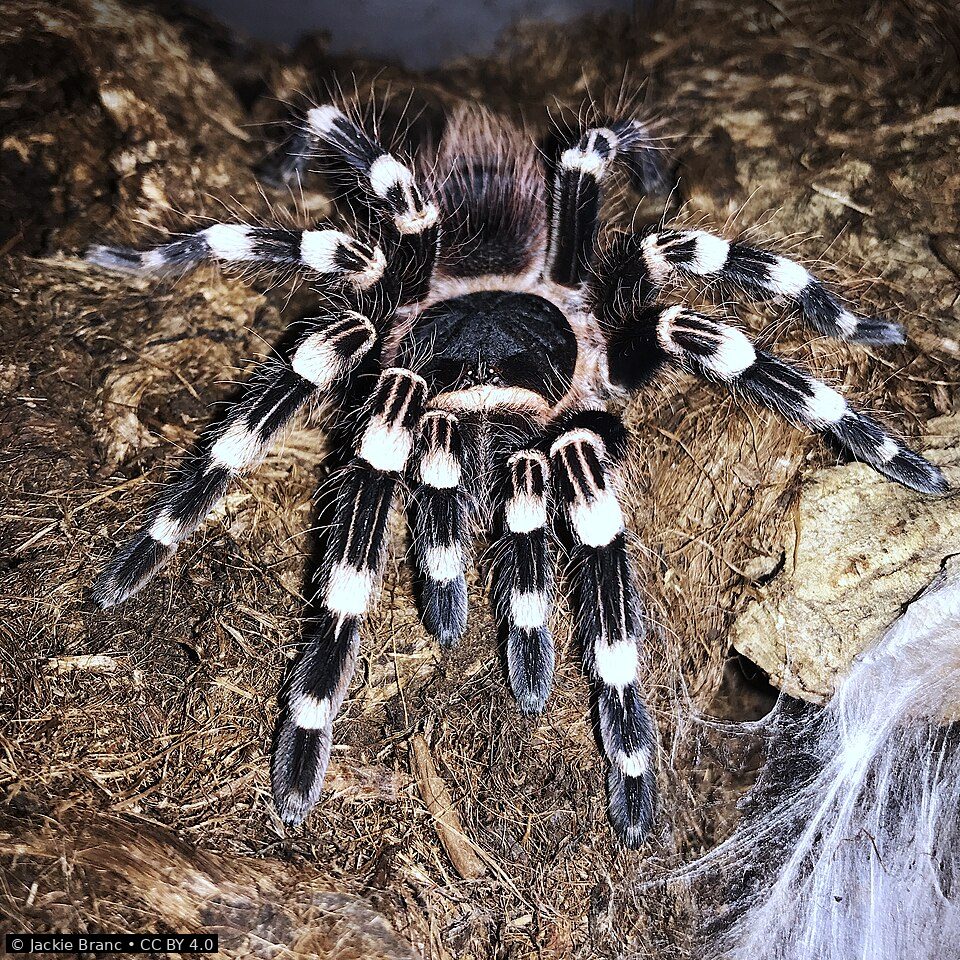
Housing, substrate, humidity, feeding, molt care, and safe handling. Covers popular beginner genera like Brachypelma and Grammostola.
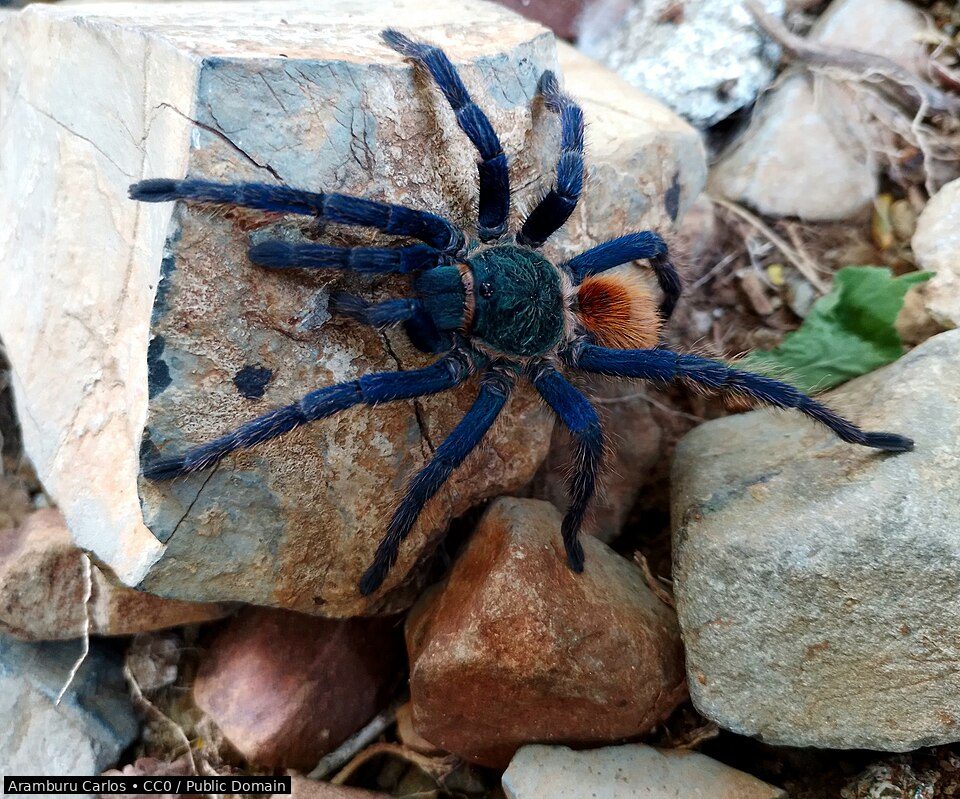
The hobby's most spectacular display tarantula. Arid Venezuelan scrubland native — dry enclosure, prolific webber, vivid colour through every molt.
Tiny, vivid, and endlessly entertaining. The Pumpkin Patch is a prolific webber with full adult colouration from spiderling — perfect for keepers wanting personality in a small package.
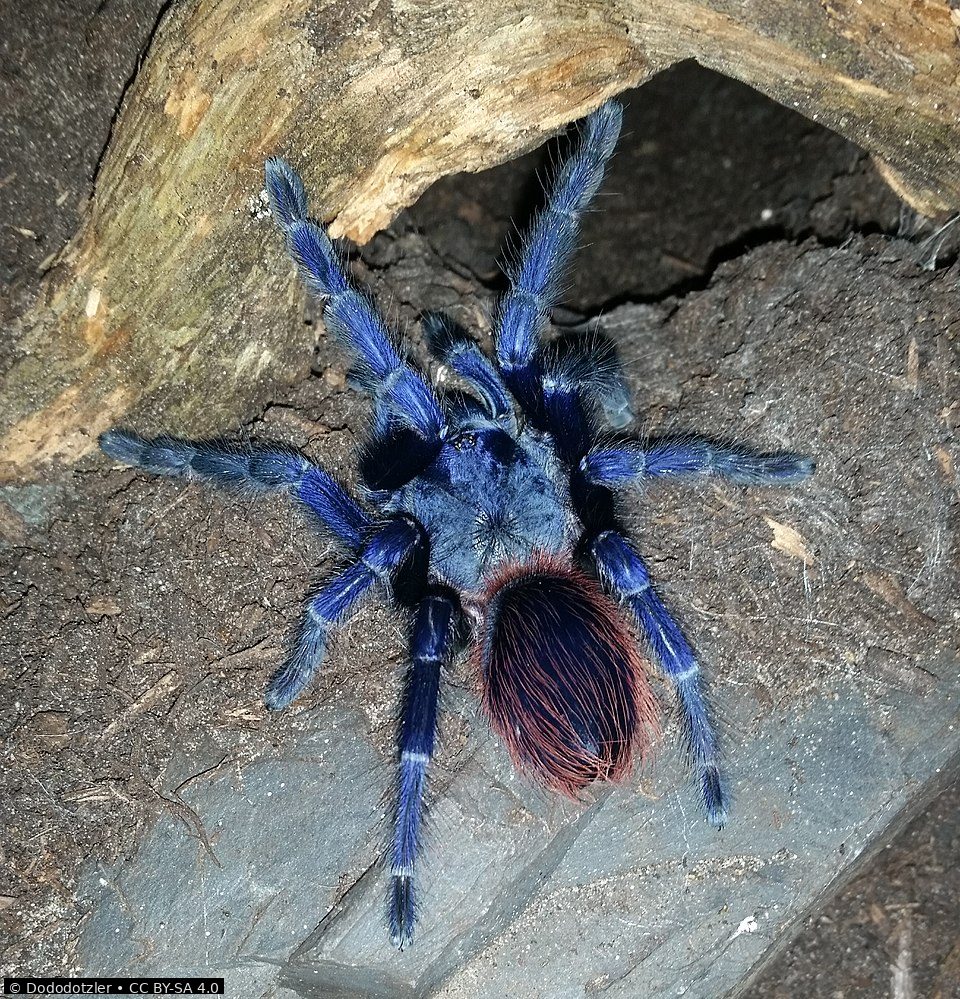
One of the most vivid tarantulas in the hobby. An endangered endemic to Bahia, Brazil — intermediate care, skittish temperament, and colour that defies belief.
A Sri Lankan endemic "tiger spider" — fast, arboreal, and strikingly patterned. Advanced arboreal care: secure enclosure, vertical height, and minimal handling.
Hot, fast, and defensive — OW species require a different approach. Enclosure security, feeding response, and breeding without handling.
Feeder Colonies
1 liveSetup, breeding cycles, weaning, prey sizing, and long-term colony sustainability. The highest-impact husbandry upgrade for any serious snake keeper.
Lizards
3 liveThe species once thought extinct, now one of the hobby's best beginner reptiles. New Caledonian humidity, CGD feeding, and arboreal enrichment covered in full.
The classic terrestrial gecko — temp gradients, insect feeding, supplementation, and morph health considerations.
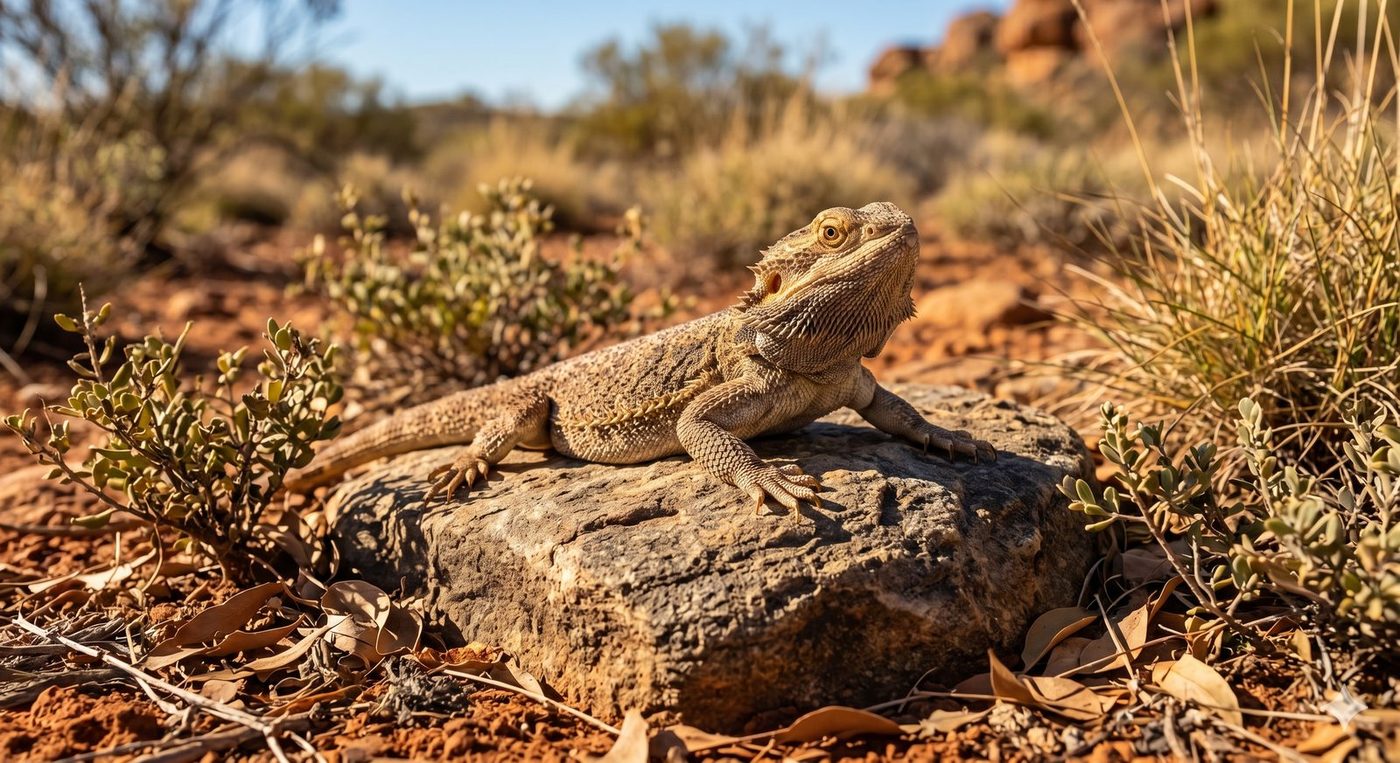
The central bearded dragon comes from the hot, dry interior of central and eastern Australia, where it ranges across open woodland, arid acacia scrub, mallee, and sandy desert.