🐍 Snakes
California Kingsnake Care Guide
Lampropeltis californiae
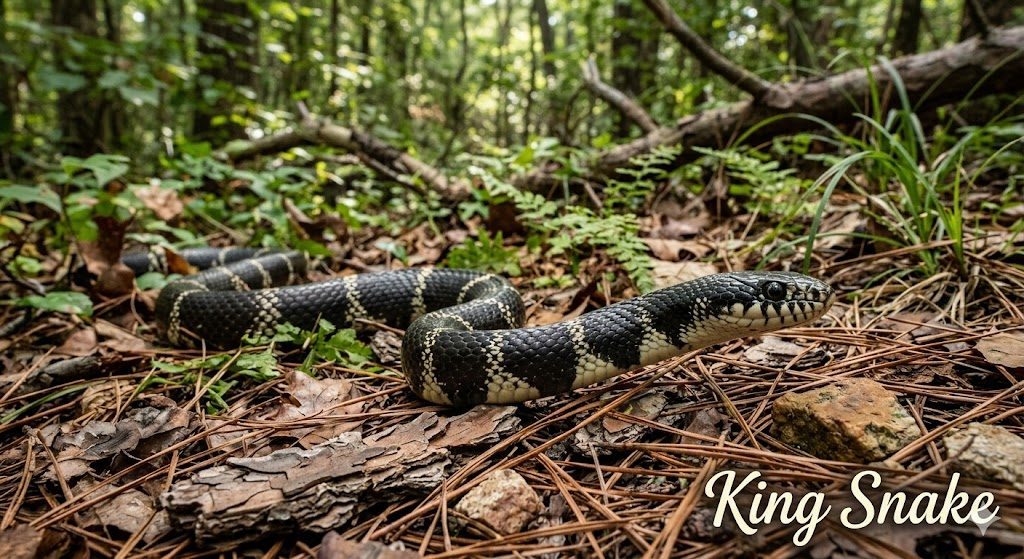
Image: Wikimedia Commons
Experience
Beginner
Lifespan
Species-dependent
Adult Size
3–4 ft
Origin
Western United States and northwestern Mexico — Or
Lampropeltis californiae
Image: Wikimedia Commons
Origin Western United States and northwestern Mexico — Oregon, California, Nevada, Utah, Arizona, southwestern Colorado, and northwestern New Mexico Adult size Typically 3–4 ft; some individuals exceed 6 ft Lifespan 20+ years in captivity Experience level Beginner-friendly
Generally calm and easy to handle once settled; young animals may be more reactive Venom Non-venomous; kills prey by constriction
The California kingsnake ranges across a remarkable stretch of the American West, from the Pacific coast of Oregon and California down through Nevada, Utah, Arizona, and into northwestern Mexico, with isolated populations reaching into southwestern Colorado and northwestern New Mexico. Within that range it occupies almost every habitat available to it: chaparral, grassland, oak woodland, desert scrub, river bottoms, marshes, and the edges of suburban development. Few North American snakes show this much ecological flexibility, and it is part of why the species has become such a fixture in the pet trade. This adaptability is matched by a varied diet and an opportunistic hunting style. California kingsnakes eat rodents, lizards, birds and their eggs, and other snakes — including rattlesnakes, thanks to a partial resistance to pit viper venom. That same snake-eating instinct is the reason they are always housed alone in captivity. They are active by day across most of their range but shift toward dawn, dusk, and nighttime activity during the hottest parts of summer, retreating into rodent burrows, rock crevices, and other shelter to avoid extreme heat. Understanding this background explains most of what a captive kingsnake needs: a thermal gradient it can move through to regulate its own temperature, a humidity range on the dry side with access to moisture when it chooses, and secure hides that mimic the burrows and crevices it would use in the wild. Kingsnakes that get this kind of choice in captivity tend to be hardy, long-lived, and remarkably easygoing — a major reason the species is so often recommended to first-time snake keepers.
House California kingsnakes in a secure, front-opening enclosure — these snakes are strong, persistent escape artists and will exploit any gap in a lid or door. Hatchlings can start in a small tub or rack tub for the first several months, moving up to roughly a 10-gallon footprint as juveniles and a 20-gallon footprint around their first year. Adults should graduate to a minimum footprint of 4 feet long by 2 feet wide by 2 feet tall, which comfortably fits the snake-length-by-half-length rule of thumb for an animal in the 4–5 foot range and leaves room for a proper thermal gradient. Bigger is always welcome if space allows.
Aspen shavings, cypress mulch, and coconut coir all work well and hold up to occasional burrowing. Avoid cedar entirely — its aromatic oils are toxic to reptiles — and be cautious with fine, dusty pine. A few inches of substrate gives the snake the option to dig in and feel secure.
Provide at least two hides: one on the warm end and one on the cool end, so the snake never has to choose between feeling secure and being at a comfortable temperature. Add a humid hide (a small enclosed space lined with damp moss) that stays available at all times, since kingsnakes rely on humid microclimates to stay hydrated and shed cleanly even though the rest of the enclosure runs drier. Branches, cork bark, and other simple décor are appreciated but not required.
Maintain an ambient temperature of about 78–84°F with a basking surface of 85–90°F on the warm end, and let the cool end run 70–75°F so the snake has a real gradient to move through. A modest night-time drop is normal and not something to correct. Always measure basking temperatures at the surface with a thermostat-controlled heat source, never by room temperature alone.
California kingsnakes come from semi-arid environments and should be kept on the drier side, with ambient humidity around 40–60%. A humid hide should be available at all times regardless of ambient conditions, and humidity can be nudged toward the upper end of that range while the snake is shedding to support a clean shed.
Hatchlings do well fed once every 5–7 days, juveniles every 7–10 days, and adults roughly every 7–14 days depending on body condition and size. Watch the snake's weight and shape rather than feeding on a rigid schedule — a kingsnake that looks lean can be fed a bit more often, while one carrying extra weight can go longer between meals. Refusal & Fasting Notes Short fasts are common around shedding, seasonal cooling, or breeding season, and are not a cause for concern on their own. If a snake refuses food for an extended stretch while also losing weight or body condition, double-check husbandry — temperature gradient, hide availability, and enclosure security are the most common culprits — and consult an experienced reptile veterinarian if the refusal persists.
Offer a water dish large enough for the snake to soak in if it chooses, especially during shedding. Refresh the water regularly and clean the dish whenever it becomes soiled. A dish that is too large or spilled often will push humidity in the enclosure higher than this semi-arid species prefers, so keep an eye on overall moisture levels.
California kingsnakes are widely regarded as one of the more handleable snake species, and most individuals settle into calm, confident handling once acclimated to a new home. Give a new or young snake a week or two to adjust before regular handling, keep early sessions short, and always support the body rather than letting it dangle. As with any animal, handling carries some risk — a startled or hungry kingsnake may strike — and is done at the keeper's own discretion.
Signs A snake preparing to shed develops a dulled, faded look to its skin and its eyes turn cloudy or pale blue as the new layer separates beneath the old one. Appetite often drops and the snake may become more reclusive during this stage. During the Process The eyes clear again a few days after clouding, and the shed typically follows shortly after. Avoid handling during the cloudy-eye phase, since the snake's vision is impaired and it may be more defensive than usual. Access to the humid hide during this window helps the old skin separate cleanly. Post-Molt / Post-Shed Care Check that the shed came off in one piece, paying particular attention to the tail tip and eye caps, which are the most common spots for retained shed. If any skin remains stuck, a slightly higher humidity for a day or two combined with gentle handling usually resolves it; persistent retained shed, especially around the eyes, is worth a check from a reptile veterinarian.
Most health problems seen in captive kingsnakes trace back to husbandry rather than the animal itself. Respiratory infections develop when an enclosure runs too cold or too damp for too long and show up as wheezing, open-mouth breathing, or mucus around the nostrils. Retained shed, especially eye caps, usually points to insufficient humidity or a missing humid hide. Mites can arrive with new animals, so quarantine any new kingsnake away from existing collection animals before introducing it. Because kingsnakes are enthusiastic, food-driven eaters, overfeeding and obesity are also worth watching — a noticeably overweight snake should have meal size or frequency reduced. Any of these signs, along with persistent food refusal paired with weight loss, warrants an evaluation by an experienced reptile veterinarian.
California kingsnakes are egg-laying (oviparous) and are bred regularly in captivity, including for the wide range of color and pattern morphs now established in the hobby. Many breeders use a winter cooling period to help cue reproductive behavior:
Print-friendly version of this guide — formatted for keepers on the go.
Download PDF