🕷️  Tarantulas

Costa Rican Zebra Tarantula Care Guide

Aphonopelma seemanni — F. O. Pickard-Cambridge, 1897

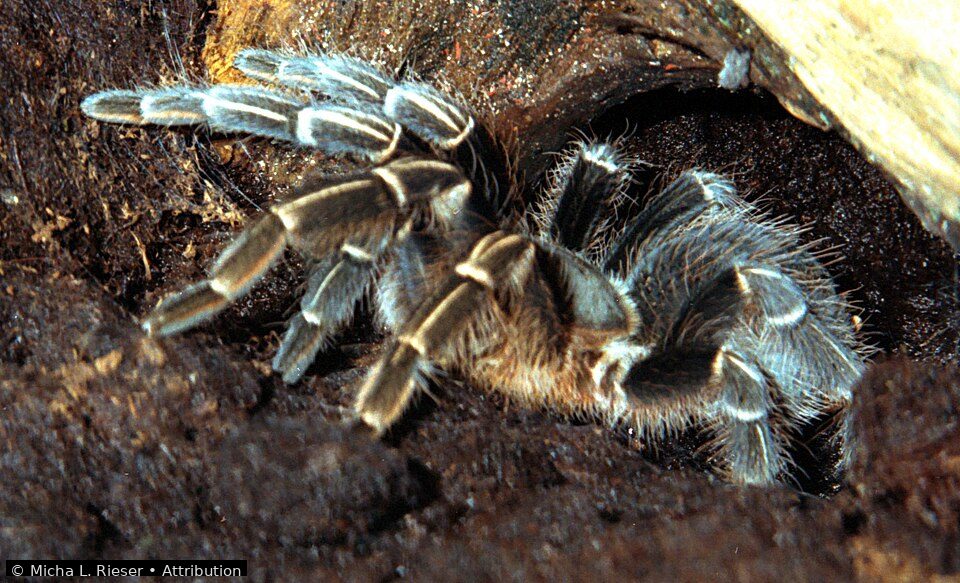
Costa Rican zebra tarantula (Aphonopelma seemanni) showing dark legs with bold white zebra striping

Image: Wikimedia Commons

Experience
Beginner–Intermediate
Lifespan
Up to 20 years (females)
Adult Legspan
4.5–6 in DLS
Origin
Central America

Natural History

Aphonopelma seemanni — the Costa Rican Zebra, or Striped-knee — ranges across the dry forests, grasslands, and scrub of Central America, including Costa Rica, Nicaragua, and Guatemala. It is a dedicated terrestrial burrower that digs deep, silk-lined tunnels and emerges at the entrance to ambush passing prey.

Its habitat has a marked dry season, but the deeper soil where it shelters stays cooler and slightly moist — which is exactly what it wants in captivity: a drier surface over a damper lower layer, with plenty of digging depth. It is hardy and undemanding once that is provided.

The species is named for the crisp white "zebra" striping running down its dark legs, a clean and handsome contrast. It is a fast, somewhat skittish spider that spends long spells underground, so it suits keepers who are happy to provide a burrow and let the spider set its own schedule.
Housing

The Costa Rican Zebra is a committed burrower. Substrate depth is the priority — give it enough to dig a proper tunnel, plus a starter burrow under a hide. Keep the enclosure low to protect against falls.

Life StageEnclosureNotes
Spiderling (under 1")Deli cup / small vented containerDamp substrate, deep enough to burrow, small water source
Juvenile (1–3")16 oz – 1 gal enclosureDeep substrate, cork hide, shallow water dish
Sub-adult / Adult (3"+)5–10 gal or equivalent4–6 in of substrate, cork hide, water dish, good airflow

Provide 4–6 inches of substrate — coconut fibre, peat, or topsoil — so the spider can excavate. Add a cork bark hide over a starter burrow and a permanent water dish. Expect it to disappear underground for long stretches; this is normal and healthy.

Temperature & Humidity

Warm room temperatures with a damper lower substrate reflect the burrow microclimate. No supplemental heating is needed in most homes.

ParameterTargetNotes
Temperature72–82°F (22–28°C)Room temperature is fine; avoid sustained drops below 68°F
Ambient Humidity65–75% RHKeep the lower substrate lightly moist, the surface drier
SubstrateDamp lower layerMist or overflow the water dish to keep the depths slightly moist
WaterPermanent water dishKeep filled at all times
Most Common Mistake
Worrying when the spider vanishes. The Costa Rican Zebra spends long periods sealed in its burrow, sometimes for weeks. As long as it has water and a stable setup, this is completely normal — leave it be.

Feeding

The Costa Rican Zebra is an ambush feeder that often snatches prey from its burrow entrance. It is a reliable eater but may ignore food while sealed in for a moult or during long burrow spells.

Prey: Gut-loaded crickets, Dubia roaches, and the occasional mealworm. Keep prey no larger than the spider's abdomen.

Frequency: Juveniles every 5–7 days, adults every 7–10 days. If the spider is hidden away and refusing, simply try again in a week or two.

Remove uneaten prey within 24 hours, especially if the spider is in pre-moult.

Moulting

The Costa Rican Zebra usually moults underground, often sealing its burrow beforehand. Each moult refreshes the crisp white striping against the dark legs.

Pre-moult signs: A darkened abdomen, food refusal, lethargy, and a sealed-off burrow entrance. Remove all live prey at the first signs.

Post-moult: Leave the spider undisturbed and wait 7–14 days before feeding so the new exoskeleton and fangs harden fully. Keep the water dish topped up throughout.

Handling

Handling is not recommended for the Costa Rican Zebra. It is fast and skittish, and its instinct when disturbed is to bolt — often surprisingly quickly for a terrestrial. A startled spider can dash off a hand and fall before you react.

Urticating hairs are present (Type III) and may be kicked off the abdomen if the spider feels cornered — they can irritate skin and are especially uncomfortable near the eyes. Interact with the enclosure rather than the spider, and keep any rehousing low, calm, and contained.

📄 Download the PDF

Print-friendly version of this guide — formatted for keepers on the go.

Download PDF

More Guides